
Transforming industrial challenges into opportunities via emerging renewable energy technologies
The heavy industry sector, particularly mining and remote power locations, face mounting pressure to maintain operational continuity while navigating the limitations of current energy infrastructure and pressure to change. Challenges such as the cost volatility of fossil fuels, voltage loss over long transmission distances, the critical need for constant, uninterrupted power, and grid instability are driving a shift toward decentralised, high-reliability energy solutions.
Emerging renewable energy technologies are evolving from experimental concepts into industrial-grade solutions, turning systemic vulnerabilities into strategic operational advantages.
Key industrial challenges
For heavy industry, power is not merely a utility; it is the lifeblood of production. Three of the primary challenges include:
Grid reliability and stability
The shift toward intermittent renewables has introduced volatility. Even millisecond dips in power can lead to significant financial losses and operational downtime.
Transmission and distribution constraints
Long-distance power transmission results in significant challenges, necessitating in some cases - local, decentralised energy production to ensure power quality at the point of use.
Infrastructure lead times
Relying on traditional grid upgrades often involves prohibitive timelines, complex regulatory approvals, and uncertain pathways, creating bottlenecks for industrial growth.
Emerging technologies
To address these challenges, we have identified three emerging technologies through joint venture partnership projects that offer both robustness and scalability.

Gravity energy storage systems (GESS)
Gravity energy storage acts as a mechanical battery, leveraging potential energy to solve intermittency. By repurposing legacy mine shafts, such as Green Gravity’s projects in the Hunter and Illawarra regions in NSW, Australia, heavy weights are lifted using surplus renewable energy. During peak-demand or low-generation periods, these weights are lowered to drive regenerative motors.
This technology offers high round-trip efficiency, zero chemical degradation, and utilises existing infrastructure to lower capital costs, providing a long-life energy storage solution for remote or off-grid sites.
Waste-to-energy (WTE) facilities
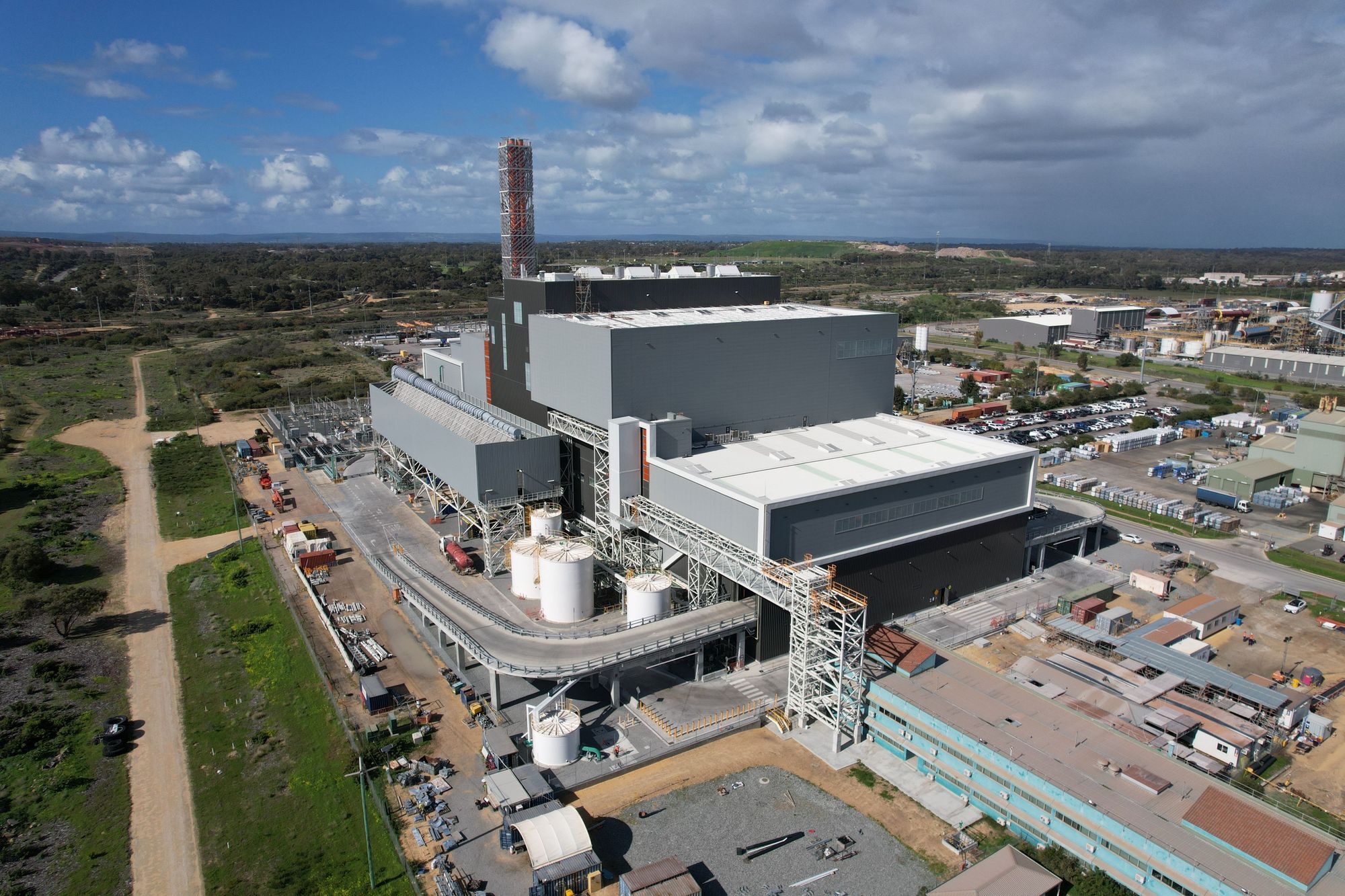
Large-scale waste-to-energy recovery facilities, such as Acciona’s Kwinana Energy Recovery in Western Australia, transform non-recyclable waste into baseload electricity.
These plants convert massive volumes of waste (currently 460,000 tonnes annually) into stable, baseload renewable power. Beyond electricity generation, the process recovers valuable materials from incinerator bottom ash, contributing directly to circular economy targets and providing a predictable, continuous energy source independent of weather conditions.
Casino Biohub (for LMS Energy), using wastewater methane capture to drastically abate the methane waste generated through the protein industry. This site is in the process of developing the process to convert the captured methane into renewable energy.
The Kalfresh Bioenergy Precinct, (currently under construction), takes farm waste, and fruit and vegetables that are unsuitable for sale, removes them from the waste stream, repurposing them as feedstock for a bioenergy plant. This will make the site self-sufficient, returning capacity to the grid, with the ability to provide additional feed in to the grid, where production outstrips internal demand.
BESS-and BESS solar integrated systems
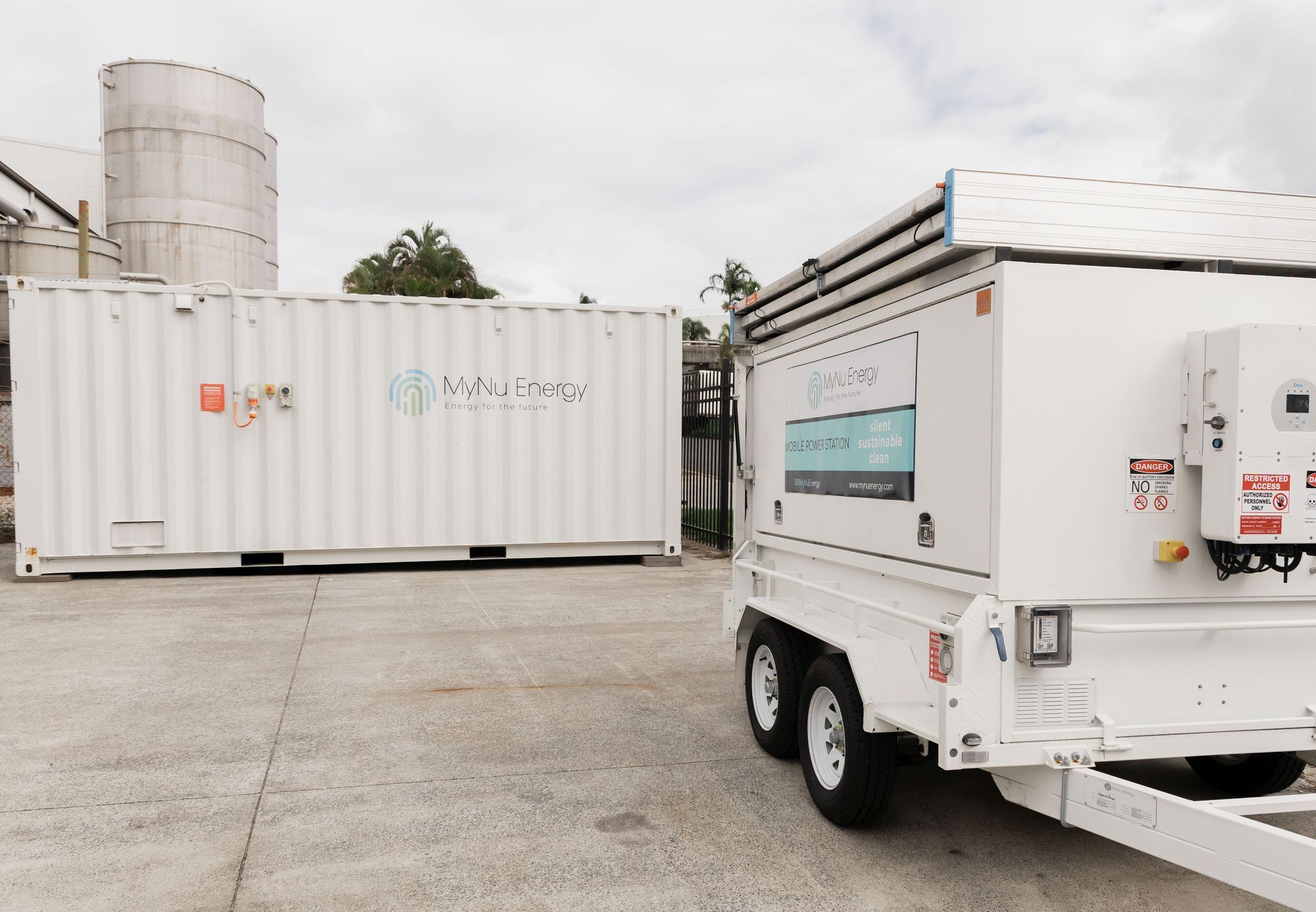
Battery Energy Storage Systems (BESS), such as those provided by MyNu Energy, leverage advanced lithium technology, utilising performance-validated, automotive-grade battery technology to deliver flexible, rapid-deployment power storage.
These systems integrate seamlessly with solar arrays and diesel generators. Because they are designed to work with existing networks rather than waiting for grid upgrades, they provide immediate relief for temporary construction power, EV infrastructure, and industrial energy arbitrage. Their robust, weather-hardened enclosures make them ideal for the harsh environments characteristic of mining operations.
Our BESS work is not limited to Solar array linked generation, projects like the Libra Energy Bremer Battery project deliver very large BESS systems (840MW/3400MWh) connected directly to the state 275 kV transmission network and provide instant discharge for meeting power demand or frequency control ancillary services.
Supporting solutions for system resilience
While these identified technologies are emerging high-potential components of a modern energy strategy, additional solutions are recommended for comprehensive grid management:

Synchronous condensers
As the grid becomes more dependent on intermittent inputs, these devices provide essential balancing support, preventing fluctuations during input and output shifts and maintaining grid stability.

Gas-fired peaking power
These plants provide a rapid-response solution to sudden spikes in demand, spinning up quickly to prevent power shortages when renewable sources cannot meet immediate load requirements. Power stations like the CS Energy Brigalow and the Stanwell Lockyer gas turbine based stations where we provide owners engineering services and balance of plant detailed engineering design, provide these services.
Future frontiers
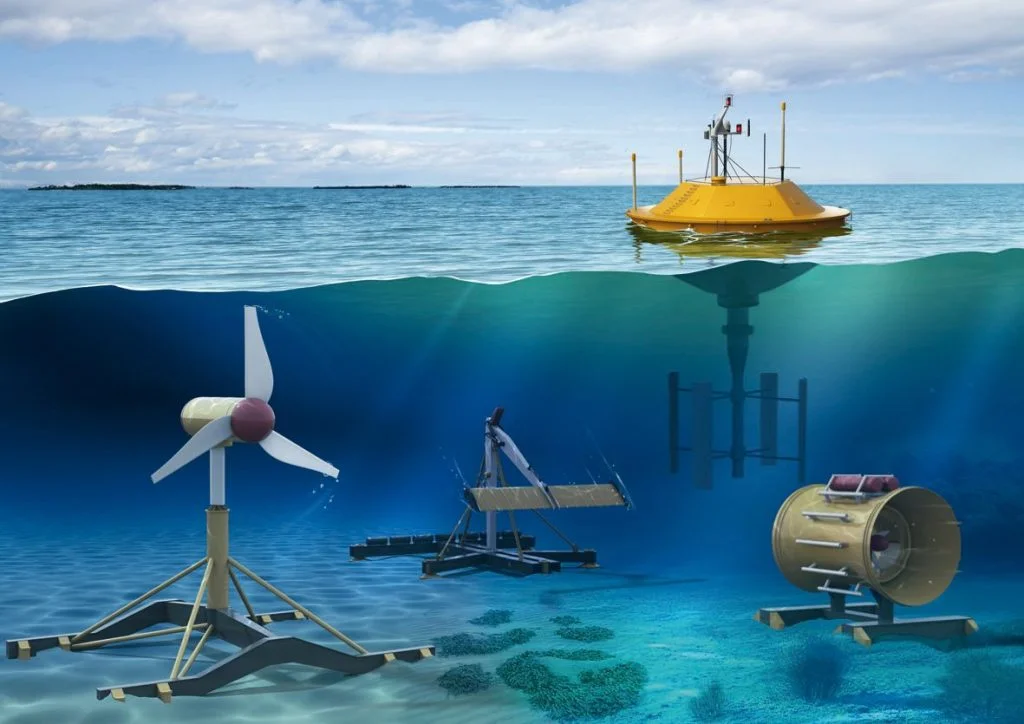
We are actively monitoring emerging potential in geothermal, wave, and tidal energy, particularly along the Australian northwest coast, to identify the next generation of industrial energy solutions.

Tried and true
While Phronis stands at the cutting edge of the “New Energy Revolution”, in conjunction with our partners IDOM we are recognised as a leader when it comes to “legacy” renewable energy generation and transmission. That is Wind, Solar, Pumped Hydro, and Hydrogen.
The Phronis difference:
Integrated engineering expertise
The transition to a more resilient energy future for heavy industry requires a departure from "business as usual." The primary barrier to success is often the fragmentation of service providers, where mechanical, electrical, and other systems are managed in silos.
Phronis offers a distinct competitive advantage through our multi-disciplinary engineering capabilities. By managing the electrical, mechanical, and system integration internally, with civil and structural support, we offer clients clarity and operational excellence. We bypass the logistical nightmares associated with coordinating disparate providers, ensuring these complex renewable energy solutions are engineered, delivered, and integrated to work effectively from day one.
Transforming challenge to opportunity
By integrating emerging technologies, such as gravity storage, waste-to-energy, and advanced BESS-solar configurations, industry leaders can mitigate the risks associated with grid unreliability and transmission limitations. At Phronis, we advocate for an integrated approach combining practical engineering wisdom with disciplined delivery to turn current energy constraints into a strategic asset. Phronis works across the power, industrial, mining, water, transport, data centres and government sectors in providing our expert power systems services.